Fear & Anxiety
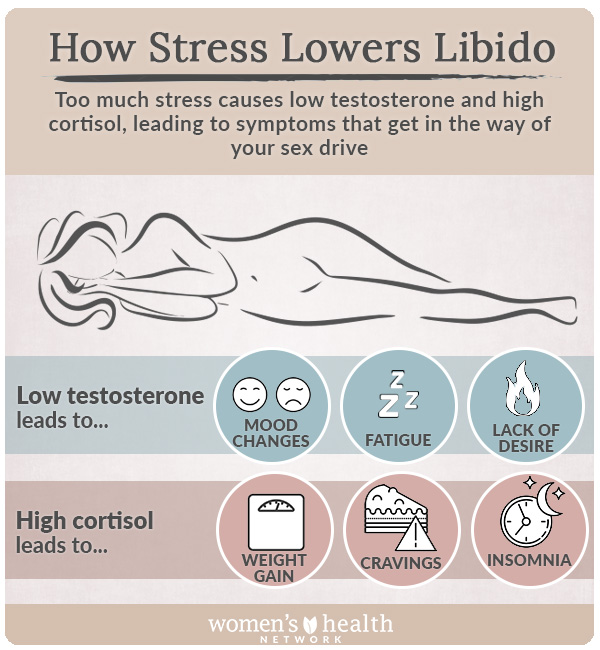
Understanding and embracing your fluctuations in desire and libido can help you lead a more informed, balanced and satisfying sexual life.
Topics
Performance anxiety can significantly impact sexual relationships, causing individuals to feel pressured to “perform” rather than enjoy the moment. This anxiety can lead to difficulties with arousal, maintaining an erection, or achieving orgasm, creating a cycle of worry that further affects sexual satisfaction.
- Understanding how anxiety about sexual performance affects desire and arousal
- Reducing pressure to perform through communication and mindfulness techniques
- Exploring ways to enhance intimacy without focusing solely on physical performance
Therapy provides tools like communication strategies, mindfulness, and relaxation techniques to help reduce the pressure to perform. By shifting the focus away from performance and toward connection and enjoyment, therapy helps individuals and couples create a more fulfilling sexual experience based on mutual pleasure.
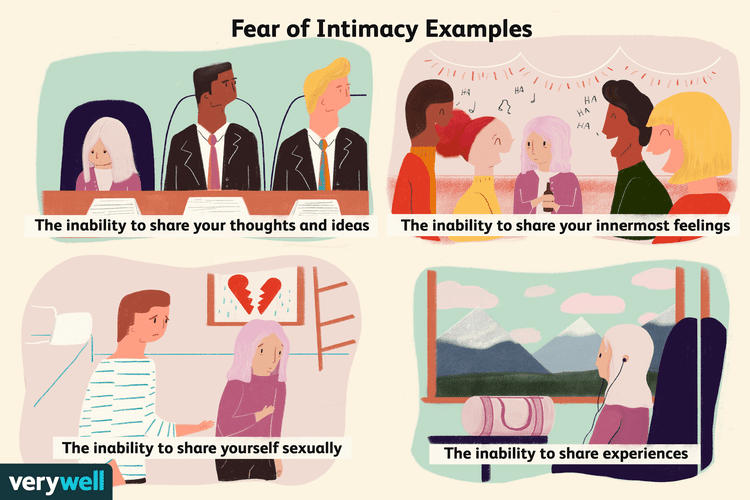
Fear of intimacy, whether emotional or physical, can create barriers to forming close, trusting relationships. This fear may stem from past trauma, fear of rejection, or insecurity about vulnerability.
- Exploring the underlying reasons for fear of emotional or physical closeness
- Developing trust and safety within intimate relationships
- Gradually building comfort and confidence in vulnerability and connection
Therapy helps individuals explore these underlying issues and develop a sense of trust and safety in their relationships. By gradually building comfort with vulnerability and connection, individuals can learn to embrace emotional and physical intimacy without fear. Therapy offers a supportive environment to foster deeper, more meaningful connections in both sexual and non-sexual relationships.
Anxiety about mismatched sexual desire between partners can cause significant tension in relationships. Individuals may worry that they don’t desire sex as much as their partner or, conversely, that they want it too much. This anxiety can suppress desire or create pressure to engage in sex even when uncomfortable.
- Addressing worries about differences in sexual desire or libido with a partner
- Understanding how anxiety can suppress or heighten sexual desire
- Strategies for balancing desire differences and reducing anxiety in sexual relationships
Therapy helps couples navigate differences in libido by encouraging open communication and exploring ways to reduce anxiety around sexual expectations. By creating a balanced approach to desire, couples can find harmony in their sexual relationship without the fear of disappointing one another.
Negative body image can create anxiety around sexual encounters, causing individuals to feel self-conscious or insecure about their appearance during intimacy. This anxiety can inhibit arousal and prevent people from fully enjoying sex.
- Exploring how negative body image contributes to sexual anxiety
- Building self-esteem and confidence in one’s body through therapy
- Reconnecting with sexual pleasure and desire without focusing on appearance
Therapy offers a supportive environment to explore and challenge these negative thoughts, fostering self-esteem and body confidence. By helping individuals reconnect with their bodies and focus on pleasure rather than appearance, therapy enables clients to experience greater sexual satisfaction and emotional connection with their partner.
Fear of rejection can prevent individuals from initiating sexual contact or fully engaging in intimacy, often creating emotional distance in relationships. This fear may stem from past rejections, low self-esteem, or insecurity about being vulnerable.
- Understanding how fear of rejection impacts sexual initiation and intimacy
- Building communication skills to reduce the fear of sexual rejection
- Strengthening emotional resilience and self-worth in relationships
Therapy provides strategies to help individuals strengthen their emotional resilience and reduce the fear of rejection. By improving communication between partners and building a foundation of self-worth, individuals can approach sexual relationships with more confidence, allowing for greater emotional and physical closeness.
Sexual trauma often leaves deep emotional scars that manifest as anxiety or fear during intimate moments, creating barriers to sexual enjoyment and connection.
- Understanding how sexual trauma can manifest as anxiety or fear during intimacy
- Healing from past trauma through trauma-informed therapy
- Gradually rebuilding trust and sexual confidence in relationships
Therapy provides a trauma-informed approach to help individuals heal from these experiences, offering safe spaces to process emotions and gradually rebuild trust in themselves and their partners. By addressing the trauma at its root and providing coping mechanisms to manage anxiety, therapy helps individuals regain confidence in their sexual relationships, allowing them to experience intimacy without fear.
Generalised anxiety disorders (GAD) can spill over into sexual relationships, often leading to reduced sexual desire, difficulty with arousal, or emotional disconnect. The constant worry and tension caused by anxiety can make it difficult to relax and enjoy sexual experiences.
- Understanding how generalised anxiety disorders (GAD) can affect sexual desire and arousal
- Developing coping mechanisms to manage anxiety’s impact on sexual health
- Exploring alternative ways of connecting intimately without pressure
Therapy helps individuals develop coping strategies to manage their anxiety, including mindfulness, relaxation techniques, and stress management. By addressing anxiety in the broader context of life and relationships, therapy allows individuals to reestablish emotional and physical connection without the overwhelming presence of anxiety.
Sexual dysfunction, such as erectile dysfunction or difficulty achieving orgasm, can create a cycle of anxiety that worsens the issue over time. Worrying about “failing” during sex often intensifies the dysfunction, making it harder to relax and enjoy the moment.
- Addressing the anxiety caused by issues such as erectile dysfunction or difficulty with orgasm
- Separating the physical condition from the emotional and psychological stress it creates
- Building confidence and reducing performance pressure through communication and support
Therapy focuses on breaking this cycle by addressing both the physical condition and the emotional stress it creates. By separating the dysfunction from self-worth and reducing performance pressure, therapy helps individuals build confidence, communicate openly with their partner, and regain control over their sexual experiences.
For many individuals, the fear of experiencing pain during sex can create anxiety that reduces desire and intimacy. This fear may be linked to medical conditions such as endometriosis, vaginismus, or chronic pain, or it may arise from past painful experiences.
- Exploring how fear of physical pain (e.g., due to medical conditions) affects sexual desire and behaviour
- Addressing anxiety around anticipating pain during intimacy
- Gradually building confidence and exploring pain-free sexual activities
Therapy helps individuals manage their anxiety around pain, offering strategies to explore intimacy in ways that do not trigger discomfort. By building confidence and reducing fear, therapy enables individuals to reconnect with their bodies and their partner in a way that prioritises both comfort and pleasure.
Social anxiety can make it difficult for individuals to initiate or engage in sexual relationships, often leading to feelings of isolation or inadequacy. Fear of judgment, embarrassment, or rejection may create barriers to both emotional and sexual intimacy.
- Understanding how social anxiety affects sexual initiation and connection
- Building self-esteem and communication skills in romantic and sexual contexts
- Exploring ways to manage social anxiety while enhancing emotional and sexual intimacy
Therapy provides tools to manage social anxiety, helping individuals build self-esteem and improve communication in romantic and sexual contexts. By exploring ways to navigate social situations with more confidence, therapy enables individuals to overcome their fears and build deeper, more meaningful connections with others.
Experiencing anxiety or panic attacks during sex can be incredibly distressing and may lead to avoidance of intimacy altogether. Anxiety can be triggered by past trauma, fear of vulnerability, performance pressure, or underlying anxiety disorders.
- Understanding how panic and anxiety attacks manifest during sexual activity
- Identifying triggers and developing grounding techniques to manage anxiety during sex
- Building trust and communication with a partner to create a safe sexual environment
Therapy helps individuals identify the specific triggers behind these attacks and teaches grounding techniques, such as breathing exercises or mindfulness, to manage overwhelming feelings during sex. Working with a partner to build trust, establish clear boundaries, and create a safe, non-pressured sexual environment is key to reducing the likelihood of future anxiety attacks. With time and practice, therapy can help individuals regain control over their sexual experiences and feel more comfortable during intimacy.
Resources
How to Overcome Male Performance Anxiety video with Esther Perel. Exploring your thoughts and feelings can help uncover some causes of anxiety. We can explore these things in greater detail in session.