Open, ENM & Other Relationships
There are many relationship types, with many similarities, but your relationship is unique. Identifying your personal and relationship desires and boundaries can enhance your and your partners’ sensual and romantic well-being.
Topics
Swinging, where couples consensually engage in sexual activities with others, can add excitement and variety to a relationship, but it also requires strong communication, trust, and emotional security. Jealousy, insecurity, or feelings of neglect can arise if boundaries aren’t clear or if one partner becomes emotionally or sexually attached to others. Therapy offers a safe space for couples to explore these feelings and establish healthy boundaries and communication strategies.
- Understanding the dynamics of swinging and how it affects relationships
- Addressing jealousy, communication, and trust in swinging arrangements
- Therapy approaches to maintain emotional and sexual intimacy within swinging dynamics
By focusing on emotional and sexual intimacy within the primary relationship, therapy ensures that swinging strengthens rather than disrupts the connection between partners.
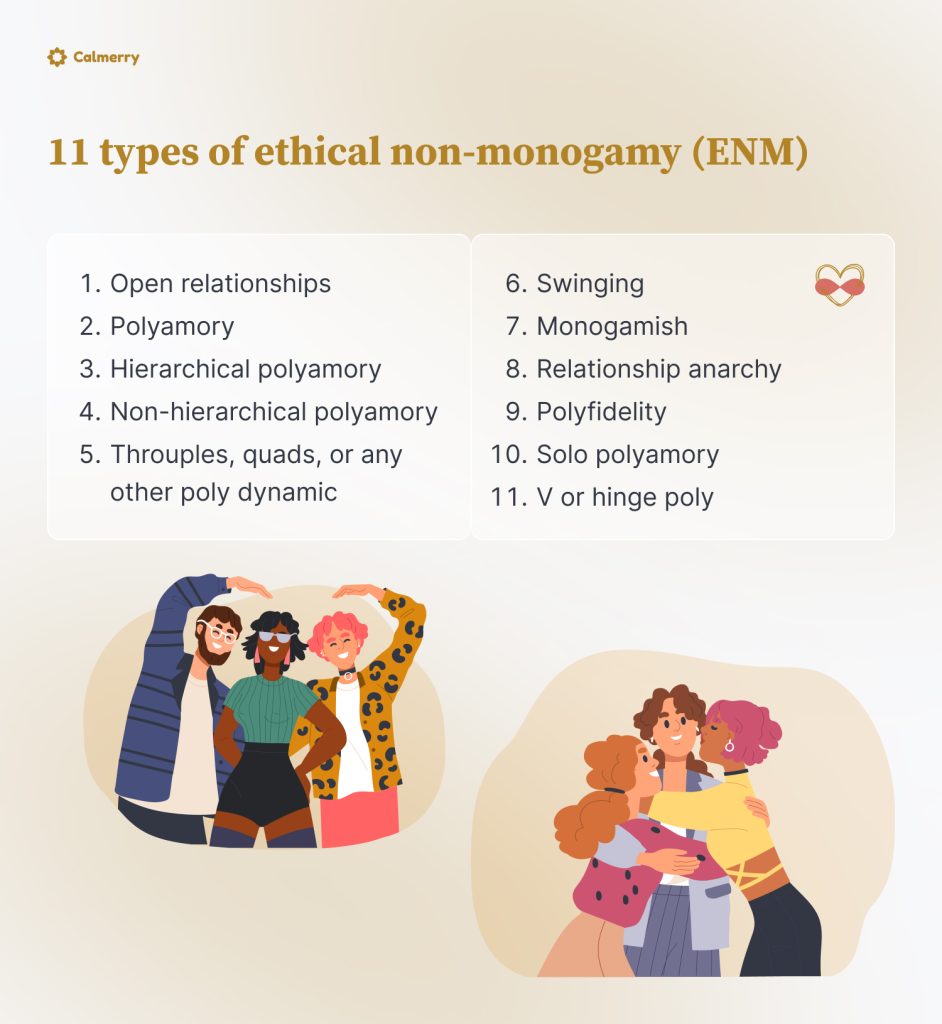
Ethical non-monogamy encompasses a range of relationship structures where individuals consensually engage in multiple romantic or sexual relationships. While ethical non-monogamy can foster personal growth, sexual fulfillment, and emotional diversity, it also requires open communication, trust, and emotional maturity. Jealousy, time management, and balancing emotional needs across different partners are common challenges. Therapy provides a space for individuals and couples to explore these issues, helping them navigate the complexities of non-monogamous relationships.
- Exploring the emotional, sexual, and practical aspects of ethical non-monogamy
- Addressing jealousy, time management, and communication across multiple relationships
- Therapy approaches to support individuals and couples in non-monogamous relationships
Through therapy, individuals can improve communication, set healthy boundaries, and ensure that all relationships remain respectful, consensual, and fulfilling.
Feeling obligated to engage in sexual activities to satisfy a partner’s desires can create feelings of resentment, anxiety, or emotional detachment. This pressure may stem from an imbalance in sexual desire, fear of losing the relationship, or guilt over not meeting a partner’s expectations. Therapy helps individuals and couples explore these feelings, encouraging open dialogue about sexual consent and boundaries.
- Addressing feelings of pressure or obligation to meet a partner’s sexual needs
- Exploring the emotional impact of feeling coerced or resentful in sexual situations
- Therapy approaches to foster mutual consent, respect, and sexual autonomy in relationships
By fostering mutual respect and communication, therapy ensures that both partners feel emotionally and physically safe in their sexual relationship. The goal is to build a relationship dynamic where sexual intimacy is mutually desired and not a source of pressure or obligation.
Ethical non-monogamy requires not just the navigation of multiple romantic and sexual connections but also the ability to manage emotional dynamics, including jealousy, time constraints, and emotional equity between partners. Therapy offers a platform to address the emotional complexities that arise in non-monogamous arrangements.
- Understanding the emotional challenges of maintaining multiple relationships
- Exploring strategies to manage jealousy, emotional needs, and relationship equity
- Therapy approaches to help individuals find balance and maintain emotional well-being in non-monogamous dynamics
By helping individuals and couples articulate their needs, develop emotional resilience, and establish clear communication with all partners, therapy enables individuals to maintain balance, foster trust, and ensure that each relationship remains emotionally healthy and respectful.
In swinging relationships, clear boundaries are essential to ensure that both partners feel comfortable and respected. Discomfort, insecurity, or feelings of jealousy can arise if boundaries are crossed or if one partner feels uncomfortable with certain aspects of swinging. Therapy helps couples define and communicate these boundaries, fostering a deeper understanding of each other’s emotional and sexual limits.
- Understanding the importance of clear sexual boundaries in swinging relationships
- Exploring feelings of discomfort or insecurity that may arise in open sexual settings
- Therapy approaches to help couples set and respect boundaries to ensure mutual comfort
By reinforcing communication and mutual respect, therapy ensures that swinging remains a positive experience that strengthens the relationship, rather than creating emotional distance or conflict.
Communication is crucial in ethical non-monogamy, but managing open, honest dialogue across multiple relationships can be challenging. Misunderstandings, secrecy, or withheld emotions can create tension and lead to mistrust. Therapy helps individuals and couples develop strong communication skills, ensuring that all partners are fully informed and respected in the relationship dynamic.
- Exploring communication breakdowns in ethical non-monogamous relationships
- Understanding the need for transparency and honesty across multiple relationships
- Therapy approaches to improve communication, avoid misunderstandings, and build trust
By fostering transparency, therapy supports the growth of trust and mutual understanding, allowing all individuals involved to navigate non-monogamous arrangements with clarity and emotional security.
In ethical non-monogamy, it’s common for partners to have differing levels of sexual desire or engagement in outside relationships. This can create feelings of inadequacy, guilt, or insecurity if one partner is more sexually active than the other. Therapy helps individuals and couples explore these dynamics and address any negative emotions that may arise from differences in desire or activity levels.
- Exploring differences in sexual desire and needs between partners in non-monogamous relationships
- Addressing feelings of inadequacy or guilt about unequal sexual activity levels
- Therapy approaches to navigate sexual desire differences while maintaining respect and balance
By encouraging open discussion and mutual respect, therapy allows couples to find balance and ensure that both partners feel valued and respected, regardless of how often they engage in sexual activities with others.
Feeling pressured to engage in non-monogamous activities, such as swinging or ethical non-monogamy, can create emotional strain and resentment if one partner isn’t fully on board. It’s crucial that both partners feel comfortable and consensual in exploring non-monogamy. Therapy provides a space for individuals to voice their discomfort, explore the source of the pressure, and work with their partner to set clear boundaries.
- Addressing the feeling of being pressured into non-monogamy or swinging by a partner
- Exploring the emotional consequences of engaging in non-monogamy against one’s comfort
- Therapy approaches to set boundaries, ensure mutual consent, and navigate non-monogamy responsibly
By fostering open communication and consent, therapy ensures that non-monogamous arrangements are based on mutual respect and understanding, preventing emotional harm and promoting relationship well-being.
In ethical non-monogamy, forming emotional or sexual attachments outside the primary relationship is common, but it can also lead to feelings of jealousy, insecurity, or fear of abandonment. Therapy helps individuals navigate these emotional dynamics, encouraging them to explore their feelings and communicate openly with their partner about their concerns.
- Understanding the emotional risks and rewards of forming attachments in non-monogamous relationships
- Navigating feelings of jealousy or fear of losing a partner to emotional or sexual attachment with others
- Therapy approaches to manage emotional boundaries and build emotional security
By establishing emotional boundaries and fostering a sense of security within the primary relationship, therapy ensures that outside attachments do not threaten the core relationship’s stability or emotional connection.
Resources
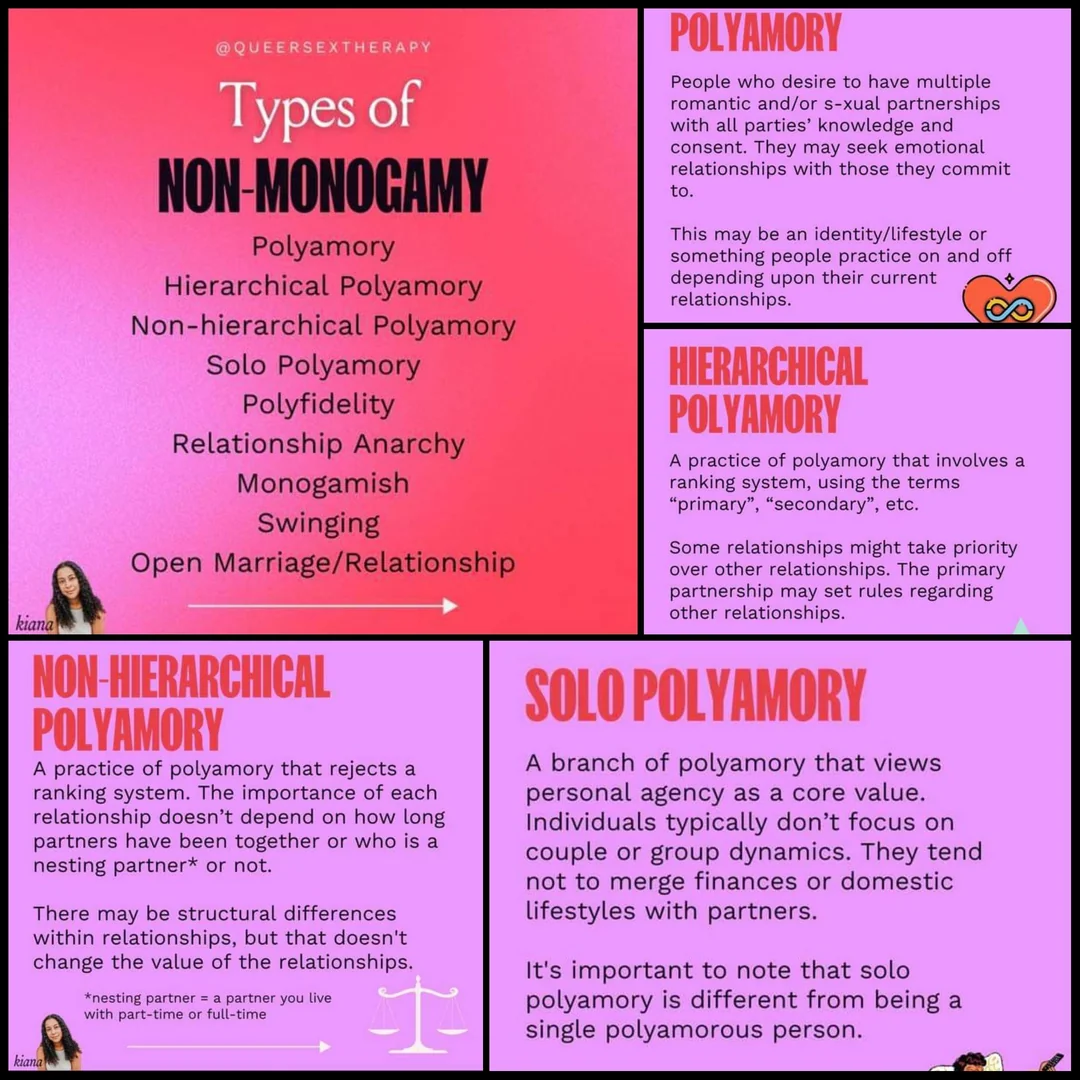
Here is a list of some ethical non-monogamy and polyamory books. Just like approaches to therapy, books and podcasts can provide a way of looking at a situation that may or may not resonate with you. It is a good idea to look at book reviews before purchasing.