
Orgasms & Erections

Erections, arousal, orgasms, and the ability to enjoy fulfilling sexual experiences can be sources of anxiety. Exploring your sexual values and wants, and your individual and relationship needs can help transform performance anxieties into opportunities for confidence, connection, and pleasure.

Topics

Anorgasmia, or the inability to achieve orgasm, can affect anyone and can result from various physical, emotional, or psychological factors. Whether it’s related to trauma, anxiety, or even certain medications, it can create frustration or feelings of inadequacy.

  • Understanding anorgasmia and its emotional and physical causes
  • Impact of past trauma, anxiety, or medication on orgasmic function
  • Building a supportive, non-pressured environment for sexual pleasure

Therapy provides a compassionate space to explore these issues, helping individuals and relationships find ways to reduce performance pressure and prioritise pleasure over outcome, leading to greater satisfaction and emotional connection.


For some people, achieving orgasm regularly or intensely can be inconsistent, which may lead to feelings of frustration.

  • Exploring emotional and physical factors that influence and enhance orgasm
  • Techniques to achieve more frequent or intense orgasms
  • Understanding the role of communication and foreplay

Therapy can help you understand the emotional and physical factors that contribute to orgasmic consistency. By exploring communication, understanding individual needs, and enhancing foreplay, partners can create a more pleasurable, connected experience that leads to more frequent and satisfying orgasms.

Premature ejaculation is a common concern for many men, often rooted in anxiety, performance pressure, or heightened sensitivity. While it can cause embarrassment or dissatisfaction, it’s a common and highly treatable issue.

  • Exploring the causes of premature ejaculation
  • Addressing anxiety, performance pressure, or sensitivity issues
  • Techniques and exercises to improve control and prolong pleasure

Through therapy, we can explore what is affecting your ability to have satisfying orgasms. We can discuss techniques such as mindfulness, communication strategies, and physical exercises to gain better control over your sexual response, ensuring that you feel more satisfied and connected during your sexual experiences.

Some men may experience orgasm without ejaculation, which can be surprising or confusing. This might be due to age, prostate surgery, or other medical conditions, and while it may feel different, it doesn’t necessarily indicate a problem.

  • Understanding the difference between orgasm and ejaculation
  • Exploring techniques for achieving multiple orgasms
  • Impact of aging or medical conditions on ejaculation

Therapy can help men understand this phenomenon and explore techniques for achieving multiple orgasms without the need for ejaculation. For those experiencing difficulty with ejaculation, therapy offers support and guidance to adapt to new sexual realities while maintaining satisfaction.

While many men achieve orgasm during sex, the intensity of that orgasm can vary.

  • Techniques to increase the intensity and pleasure of male orgasms
  • Exploring physical exercises (e.g., Kegels) and mental focus
  • Incorporating communication and play to heighten orgasmic response

Therapy can help you explore ways to enhance the intensity of male orgasms through physical exercises, such as pelvic floor strengthening (Kegels), mental focus techniques, and open communication about desires and needs. By focusing on enhancing the pleasure experience, you can achieve more fulfilling, intense orgasms that enrich your overall sexual experience.

Performance anxiety can significantly impact both erections and the ability to achieve orgasm, often leading to a cycle of stress and frustration.

  • Addressing how anxiety affects erection, orgasm, and overall pleasure
  • Techniques to reduce performance pressure and anxiety
  • Building confidence and emotional safety in sexual situations

Therapy helps individuals and couples break this cycle by offering techniques to reduce anxiety, foster emotional safety, and build confidence in sexual situations. By focusing on relaxation, communication, sensual pleasure, and reducing the pressure to perform, couples can restore a sense of ease and enjoyment in their sexual experiences, leading to more fulfilling erections and orgasms.

For transgender folk undergoing gender transition, hormone therapy and gender-affirming surgeries can have a profound effect on sexual function, including erections and orgasms. Testosterone therapy may enhance erections and increase sexual desire in trans men, while estrogen therapy for trans women may reduce spontaneous erections and alter orgasmic sensations. Surgeries, such as phalloplasty or vaginoplasty, can also change how the body responds to sexual stimulation.

  • Understanding the effects of hormone therapy and surgeries on your sexual function
  • Navigating changes in erections and orgasms during and after transition
  • Strategies to rediscover pleasure and sexual fulfillment post-transition

Our therapy provides support in navigating these changes, helping individuals and their partners rediscover pleasure and intimacy in their new bodies. Through open communication and exploration, we guide clients toward a fulfilling sexual experience that aligns with their gender identity.

Resources


From Decretum Gratiani with the commentary of Bartolomeo da Brescia, Italy, 1340-1345. Lyon, BM, Ms 5128, fol 100r. Photo courtesy Discarding Images

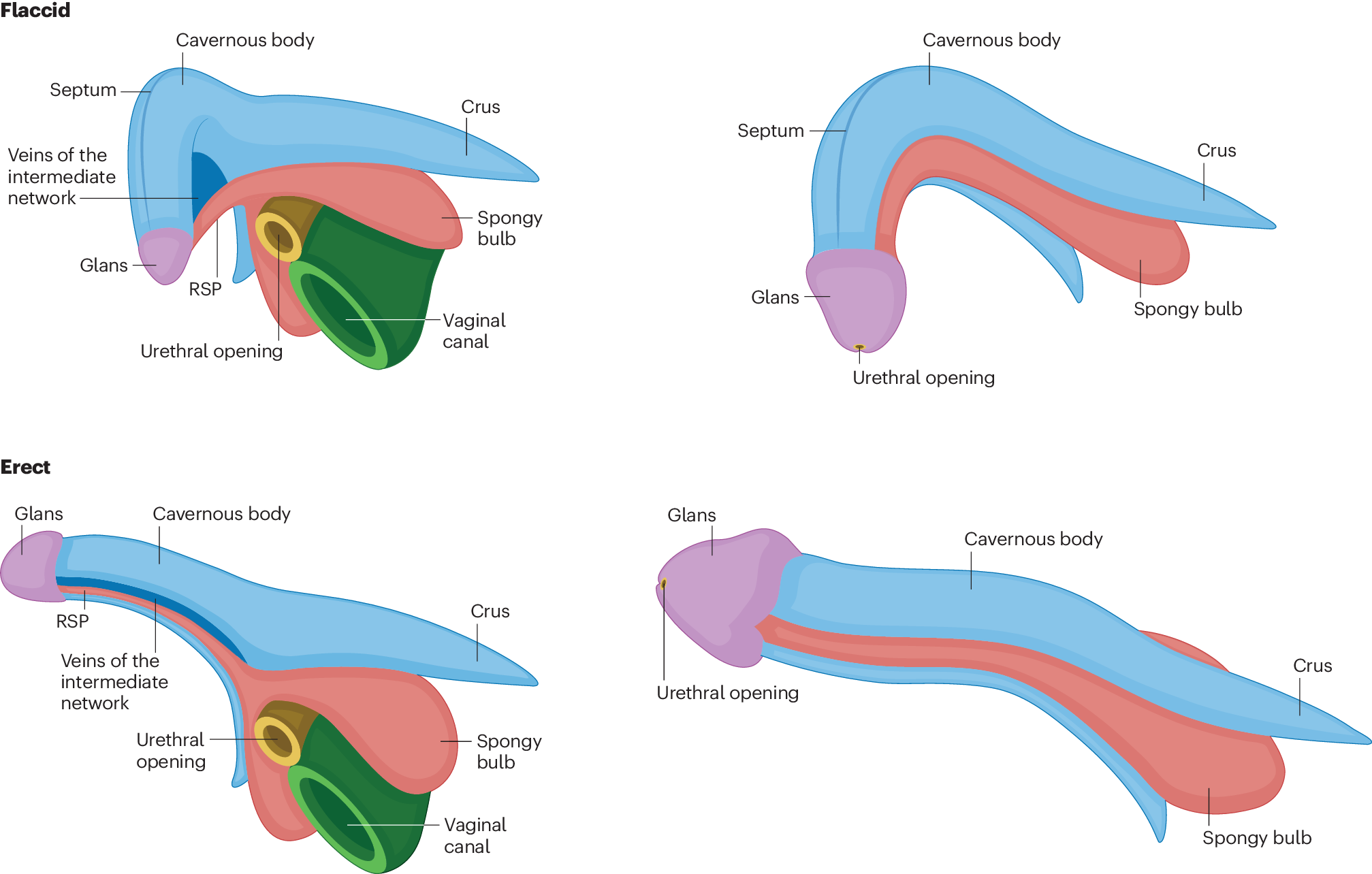
Stages of an Erection and Common Problems by Very Well Health

2023 Study of Effects of Gender-affirming Hormone Therapy on Orgasm Function of Transgender Men and Women: A Long Term Follow Up. After commencing gender-affirming hormone therapy (GAHT), transgender women reported notable changes in orgasm function: increase in lead-time necessary to reach orgasm, orgasm duration, and overall orgasm satisfaction. Similarly, transgender men (TM) reported an increase in duration of orgasm and increased overall satisfaction with orgasm quality. Over half of the TW (transgender women) reported experiencing orgasms in new/additional body locations. Additionally, prior to commencing GAHT, the majority of TM and TW patients reported their orgasms as a short, single-peak event but following GAHT these same patients reported longer and protracted multiple-peak orgasms.

Stages of sexual arousal
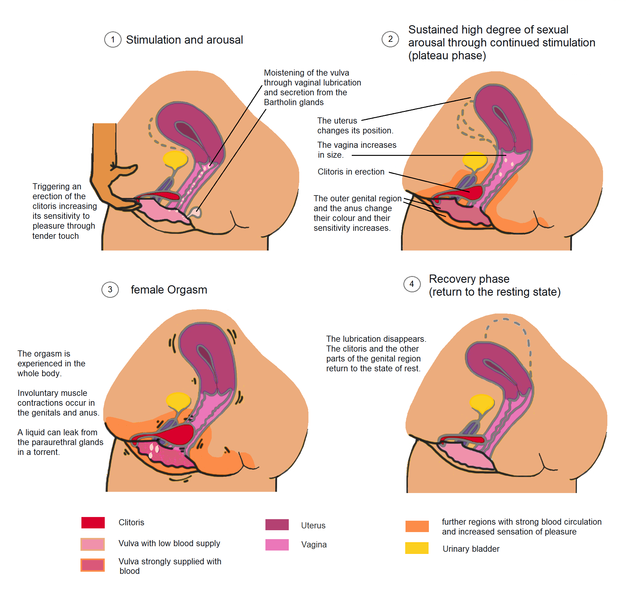
De-gendered sexual arousal dysfunction
https://www.nature.com/articles/s41585-024-00890-y