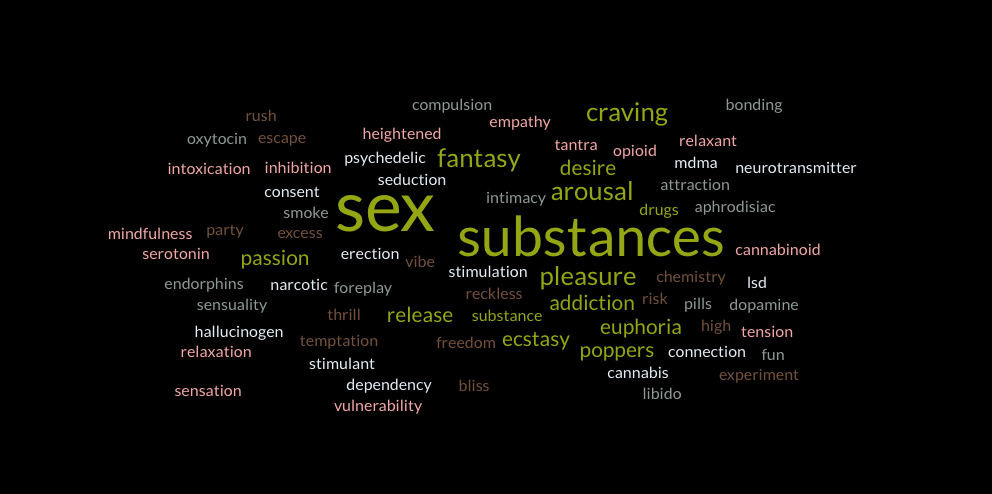
Sex & Substances
Substances like alcohol, cigarettes, and drugs can impact sexual performance, but can also be navigated in ways that prioritise health and pleasure. Addressing the relationship between substances and sexual behaviour empowers you to make informed, fulfilling choices.
Topics
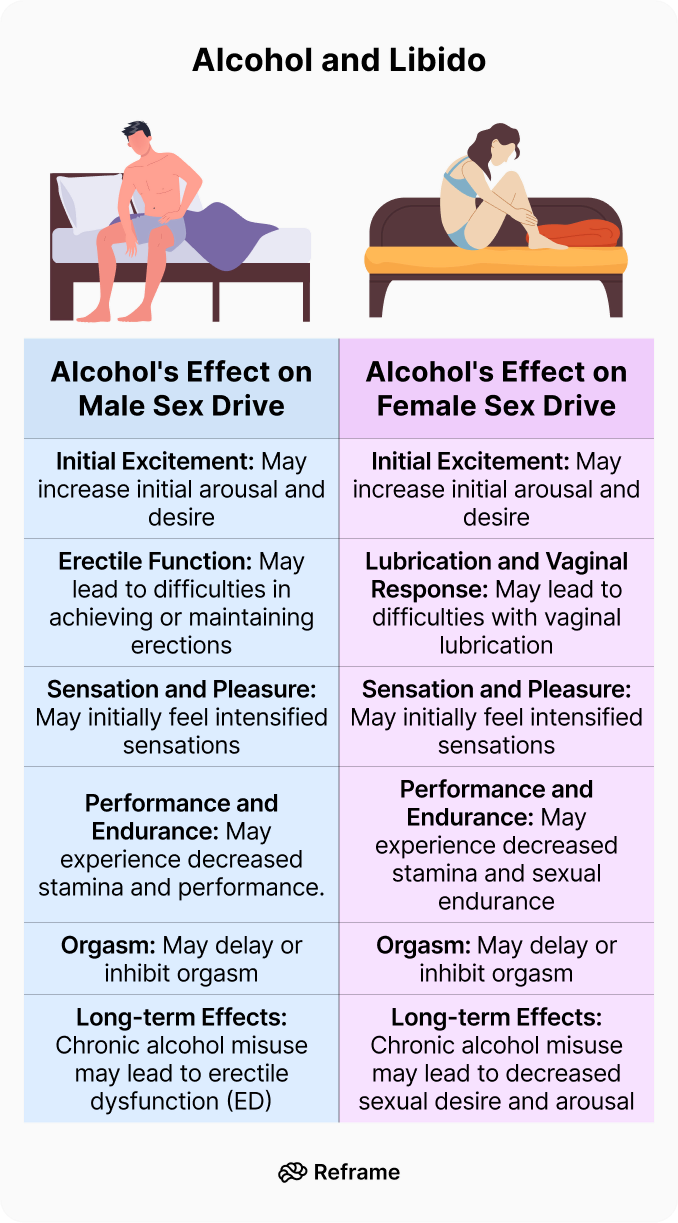
Alcohol is commonly associated with social and sexual settings, but its effects on sexual health can be both positive and negative. While it may lower inhibitions and enhance desire in the short term, excessive or chronic alcohol use can impair sexual performance, reduce arousal, and contribute to risky sexual behaviours. Long-term alcohol abuse can lead to difficulties with erections, decreased libido, and emotional disconnection from partners.
- Understanding how alcohol affects your sexual performance, desire, and decision-making
- Addressing the impact of chronic alcohol use on your sexual health and relationships
- Reducing your dependency on alcohol and improve sexual function and intimacy
Therapy helps you understand the impact of alcohol on your sexual health and can provide strategies to reduce dependency, rebuild trust, and enhance intimacy in your relationships.
Alcohol is a common cause of issues around getting and maintaining erections, particularly when consumed in excess. While moderate drinking may initially lower inhibitions and enhance sexual desire, alcohol impairs blood flow and nerve sensitivity, making it difficult to achieve or maintain an erection. Chronic alcohol use can lead to persistent erectile dysfunction and reduced sexual confidence, creating a cycle of anxiety and avoidance around sex.
- Understanding how alcohol contributes to temporary and chronic erectile dysfunction
- Exploring the psychological and physical effects of alcohol-related sexual dysfunction
- Addressing alcohol use and improving sexual function and confidence
Therapy offers strategies to reduce alcohol consumption, address underlying emotional or psychological issues contributing to ED, and rebuild sexual confidence. By improving both physical and emotional health, therapy helps individuals regain control of their sexual function and restore intimacy.
Marijuana is sometimes used to enhance sexual pleasure, reduce anxiety, and lower inhibitions. However, regular or heavy use can also impair sexual performance, reduce motivation, and create emotional detachment in relationships. Marijuana’s sedative effects may dull sensations or decrease motivation for sex over time. Over-reliance on marijuana may also lead to difficulty in achieving arousal or satisfaction without its use, affecting the natural rhythm of sexual interactions.
- Understanding how marijuana affects sexual desire, performance, and perception of pleasure
- Exploring the balance between occasional use and overreliance on marijuana for sexual enhancement
- Reducing dependency on marijuana and improve natural sexual function
Therapy provides you with a space to explore your relationship with marijuana and sexuality, offering tools to reduce dependency and improve sexual health. Addressing the psychological and emotional factors behind marijuana use can help you find alternative ways to reduce sexual anxiety and improve your natural sexual desire.
By reestablishing intimacy without reliance on substances, you can experience more authentic connections and pleasure.
Amyl nitrite, commonly known as “poppers,” is often used to enhance sexual arousal, as it relaxes muscles and increases blood flow, making certain sexual activities, such as intense anal play, more comfortable. However, regular use can have negative side effects, including headaches, dizziness, and long-term impacts on cardiovascular health. Dependency on poppers for sexual arousal can also create emotional and psychological barriers to achieving pleasure without them.
- Understanding the short-term effects of amyl nitrite on sexual arousal and performance
- Exploring the risks associated with regular use of poppers during sex
- Reducing dependency on poppers for sexual pleasure
Therapy helps you explore your use of poppers, assess the risks, and reduce reliance on the substance for sexual satisfaction. By focusing on alternative ways to enhance pleasure, therapy can supports you in achieving fulfilling and healthy sexual experiences.
Chemsex refers to the use of drugs such as crystal meth, GHB, or MDMA to enhance sexual pleasure, often in group settings. While some individuals use chemsex to increase stamina, intensify sensations, or reduce anxiety, it can pose significant risks to both physical and mental health. Chemsex can lead to addiction, impaired judgment, risky sexual behaviours, and difficulty achieving sexual satisfaction without drugs. Chemsex can also impact mental and physical health including anxiety attacks, acute paranoia, sexual dependency, injection site injuries, sexual consent concerns, overdose and increased risk of acquiring HIV and STIs (Read more).
- Understanding the practice of chemsex and its risks to physical and mental health
- Addressing the emotional and psychological motivations behind chemsex
- Therapy to reduce reliance on substances for sexual pleasure and rebuild healthy sexual practices
Therapy provides a safe space to explore the motivations behind chemsex, address the emotional and psychological consequences, and develop healthier sexual habits. Through therapy, you can reduce your reliance on substances and rediscover sexual fulfillment and connected intimacy with partners.
Cigarette smoking can reduce arousal, affect fertility, and cause a decrease in overall sexual satisfaction. Smoking has a detrimental effect on sexual health, particularly in men, where it is strongly linked to erectile dysfunction due to reduced blood flow.
- Exploring the negative effects of smoking on sexual performance, arousal, and fertility
- Understanding the link between smoking and erectile dysfunction
- Therapy to support quitting smoking and improving sexual function
Therapy can help you understand the physical consequences of smoking on your sexual health and provide support in quitting. As individuals quit smoking, improvements in sexual function and overall well-being often follow, leading to healthier and more satisfying sexual relationships.
For some individuals, substance use becomes intertwined with sexual behaviour, leading to an addiction that affects both their physical and emotional health. Whether it’s alcohol, drugs, or poppers, overuse of substances can create emotional distance during sex, as well as physical dependency to achieve pleasure.
- Understanding how your addiction to substances is affecting your sexual health and relationships
- Addressing the role of substances in creating emotional distance during sex
- Supporting recovery from substance addiction and rebuild healthy sexual behaviours
Therapy provides a comprehensive approach to treating both addiction and its impact on sexual health. Through a combination of cognitive-behavioural therapy (CBT), mindfulness techniques, and emotional exploration, you can break free from substance dependency and rediscover intimacy without the need for chemical enhancement.
When one partner is heavily reliant on substances during sex, it can create emotional disconnection, frustration, or fear in the relationship. The non-using partner may feel sidelined or worried about their partner’s health and well-being, leading to tension and distrust.
- Exploring the impact of a partner’s substance use on intimacy and trust in the relationship
- Addressing feelings of disconnection, frustration, or fear related to substance use during sex
- Supporting communication and rebuilding intimacy between partners
Relationship therapy offers a space for both partners to express their concerns and explore how substance use is affecting their intimacy and emotional connection. By focusing on communication, trust-building, and understanding, couples can rebuild their relationship and find ways to maintain intimacy without the interference of substances.
Resources
Public drug warnings can inform you of additional known issues with a substance. Click here for current NSW drug warnings
“Practical alcohol and drug risk reduction tips that everyone can use – before the party starts, during the party, and during the comedown. Find ways to make it safer and easier”. Check out Touch Base
Here’s a blog post called Alcohol and Erections – a rocky relationship
What is chemsex? Support, advice and how to stay safe.
Here are some ideas and tips for Sober Sex